
Appendectomy is a common surgical procedure performed to remove the appendix. Appendicitis is a condition where the appendix becomes inflamed and poses the risk of bursting. This life-saving surgery is essential in preventing complications like peritonitis or sepsis.
It is most commonly performed as an emergency procedure when a person has acute appendicitis. The surgery can be performed using either open surgery or minimally invasive laparoscopic techniques.
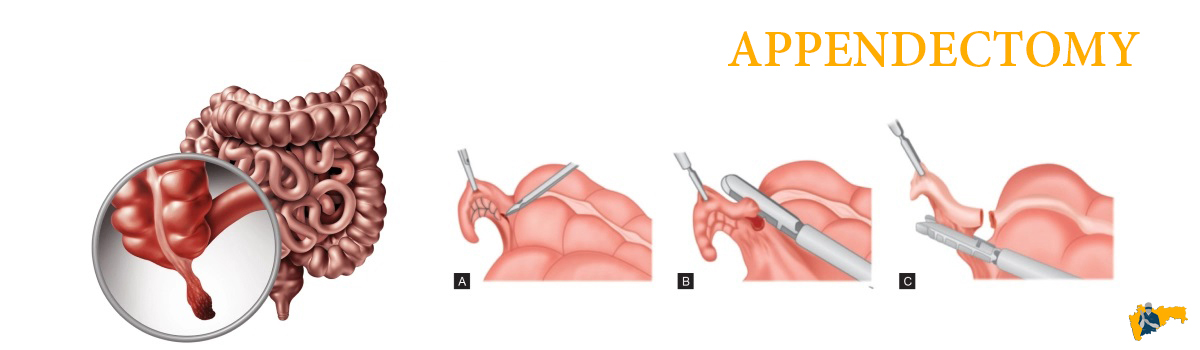
Types of Appendectomy
- Laparoscopic Appendectomy: Minimally invasive with smaller incisions and faster healing. Results in less pain and quicker recovery.
- Open Appendectomy: A single large incision in the lower right abdomen. Used if the appendix has ruptured or laparoscopic surgery is unsuitable.
Key Takeaways
- Type of Procedure: Surgical (open or minimally invasive).
- Duration: 30 to 60 minutes.
- Anesthesia Used: General anesthesia.
- Recovery Time: 1 to 3 weeks for laparoscopic and 2-4 weeks for open surgery.
- Success Rate: Over 95% effective in treating appendicitis.
Indications of Appendectomy
This surgery is recommended when the appendix becomes inflamed or infected. Common indications for appendectomy include:
- Sudden pain in the lower right abdomen.
- Fever, nausea, and vomiting.
- Swelling and tenderness in the belly.
- Diagnosed with acute appendicitis or suspected rupture.
- Appendiceal abscess or peritonitis.
When Should You Consider Appendectomy Procedure
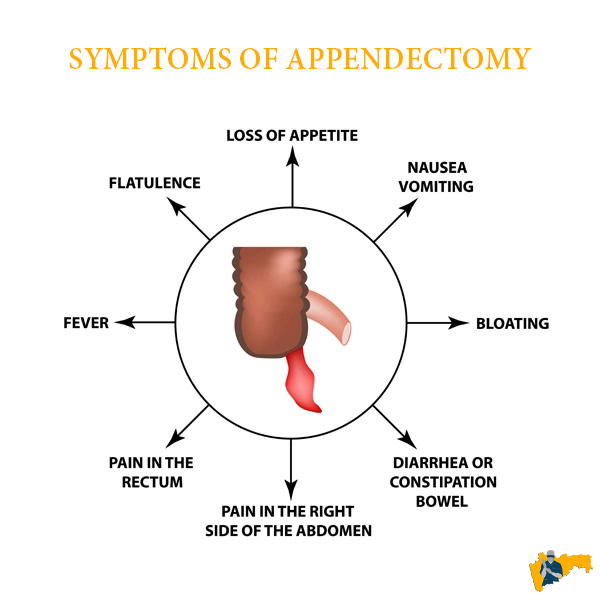
You should visit a doctor immediately if you experience these signs of appendicitis requiring an emergency appendectomy.
- Severe abdominal pain (especially in the lower right side)
- Fever
- Nausea/vomiting
- Loss of appetite
- Bloating
- Flatulence
- Pain in the rectum
- Diarrhea
If left untreated, a burst appendix can be life-threatening. Seeking early surgery (often laparoscopic) leads to faster recovery and fewer complications.
How to Prepare for Appendectomy Surgery?
Preparing for appendectomy surgery involves a series of steps to ensure the procedure is carried out safely and effectively.
- Physical Examination: Check for tenderness/swelling.
- Blood and Urine Tests: Detect infection/inflammation.
- Imaging Scans: Ultrasound/CT scans confirm appendicitis.
- Fasting Requirement: No food/drink for 6-8 hours pre-surgery.
- Medication Review: Pause certain medications/supplements.
- Consent and IV Preparation: Sign consent form; IV line started.
- Bowel Preparation (if advised): Rarely needed in emergencies.
- Personal Arrangements: Arrange post-surgery transport and rest.
What Happens During the Procedure
An appendectomy involves the removal of the appendix to treat appendicitis. The procedure can be performed using either a laparoscopic or open approach. Here’s the step-by-step process for each:
- Anesthesia Administration: General anesthesia ensures you are asleep and pain-free.
- Incision and Access: Small (laparoscopic) or large (open) incision made.
- Locating the Appendix: Identified via camera (laparoscopic) or direct view.
- Appendix Removal: Detached from tissues and removed.
- Infection Check and Cleaning: Abdominal cavity cleaned if ruptured; drainage tubes placed if needed.
- Closure of Incisions: Stitches/surgical glue applied; bandages added.
- Monitoring and Recovery: Vital signs are monitored post-surgery.
Appendectomy Complications
Although appendectomy is a common procedure, complications may still occur. Some potential risks include:
- Infection at the incision area.
- Internal abscess or bleeding.
- Reaction to anesthesia.
- Intestinal Obstruction.
- Wound healing problems or perforation.
- Urinary Retention.
Benefits of Appendectomy
Benefits of appendectomy include:
- Prevents rupture and serious infection.
- Relieves pain and symptoms of appendicitis.
- Quick recovery with modern techniques.
- Long-term health is unaffected by appendix removal.
Recovery After Appendectomy
The recovery process after an appendectomy involves rest, monitoring, and following specific instructions to ensure proper healing. Here’s an overview of what to expect during the appendectomy recovery period:
- Hospital Stay: Same-day discharge (laparoscopic) or 1-2 days (open).
- Pain Management: Prescribed pain relievers for the initial days.
- Activity Restrictions: Avoid heavy lifting for 1-4 weeks.
- Wound Care: Keep incisions clean/dry; monitor for infection.
- Diet After Surgery: Start with liquids/soft foods; avoid greasy/spicy items.
- Follow-Up Appointments: Check healing progress and remove stitches.
- Full Recovery Time: 1-3 weeks (laparoscopic) or 2-4 weeks (open).
Diet After Appendectomy
Here are some dietary habits you can consider for faster recovery
- Start with Clear Liquids: Gentle hydration and electrolytes.
- Transition to Soft Foods: Rice, toast, bananas for easy digestion.
- Avoid Fatty/Spicy/Heavy Foods: Prevent bloating or nausea.
- Prioritize Hydration: Drink water or herbal teas, and avoid caffeine and sugary drinks.
Get Instruments For Laparoscopic Cholecystectomy
Frequently Asked Questions
How long does the surgery take?
What type of anesthesia is used for an appendectomy?
Can the appendix grow back after surgery?
No, the appendix does not grow back after it has been surgically removed. Once removed, it cannot regenerate, and the body continues to function normally without it.